
The Role of Luck in Casino Gaming
Luck is often described as the outcome of chance, and in the realm of casino gaming, it plays a significant role. Games such as slots and roulette primarily rely on random number generation, which means that outcomes are entirely left to chance. Players may win or lose based purely on luck, making it a crucial factor in these types of games. Winning at a slot machine, for example, can be as simple as spinning the reels and hoping for the best, with no decisions to sway the outcome. Many fans of chance-based gaming often seek out the best online pokies australia for the thrill of the unknown and the potential for big wins, which can be incredibly appealing to players, drawing them into the world of chance-based gaming.
In games characterized by pure luck, casinos ensure that the house edge—a mathematical advantage built into the game’s rules—secures their long-term profitability. Despite players sometimes enjoying short-term wins, the odds favor the house in the long run. This dynamic illustrates how luck can create excitement for players, but it also underscores the reality that consistent success is rare and often fleeting. Players who understand the role of luck may approach these games with a different mindset, viewing wins as enjoyable surprises rather than expectations. This perspective can lead to a healthier gaming experience, prioritizing enjoyment over financial gain.
The appeal of luck-driven games is their accessibility. New players can quickly grasp the rules and begin playing without needing a steep learning curve. This aspect can be enticing, especially for those seeking leisure over competition. However, it also raises questions about responsible gambling, as players might underestimate the likelihood of losses due to the appealing nature of potentially winning. Ultimately, the key takeaway is that luck is a double-edged sword in casino gaming, providing opportunities for wins while also presenting risks of significant losses. Recognizing this balance helps players approach gaming with a mindful attitude, promoting fun while maintaining caution.
The Importance of Skill in Casino Games
While luck is a dominant force in many casino games, skill exhibits its importance particularly in games that require a strategic approach, such as poker and blackjack. These games demand that players understand the rules, probabilities, and techniques to maximize their chances of winning. Players proficient in strategies often outperform less experienced players over extended periods, showcasing how skill can positively impact outcomes. For instance, in poker, the ability to read opponents and manage one’s own betting strategy can lead to substantial winnings. This ability to make informed decisions creates a distinct advantage that can significantly alter gameplay.
In blackjack, employing basic strategy can significantly reduce the house edge, providing more favorable odds for skilled players. Mastering card counting techniques, although challenging, can further enhance a player’s advantage. Skill in casino games allows individuals to make informed decisions, mitigating some of the randomness associated with luck. Hence, for serious players, honing their skills is essential to improve their chances for success and to enjoy a rewarding gaming experience. This pursuit of skill not only enhances the potential for winning but also instills a deeper appreciation for the intricacies of the game.
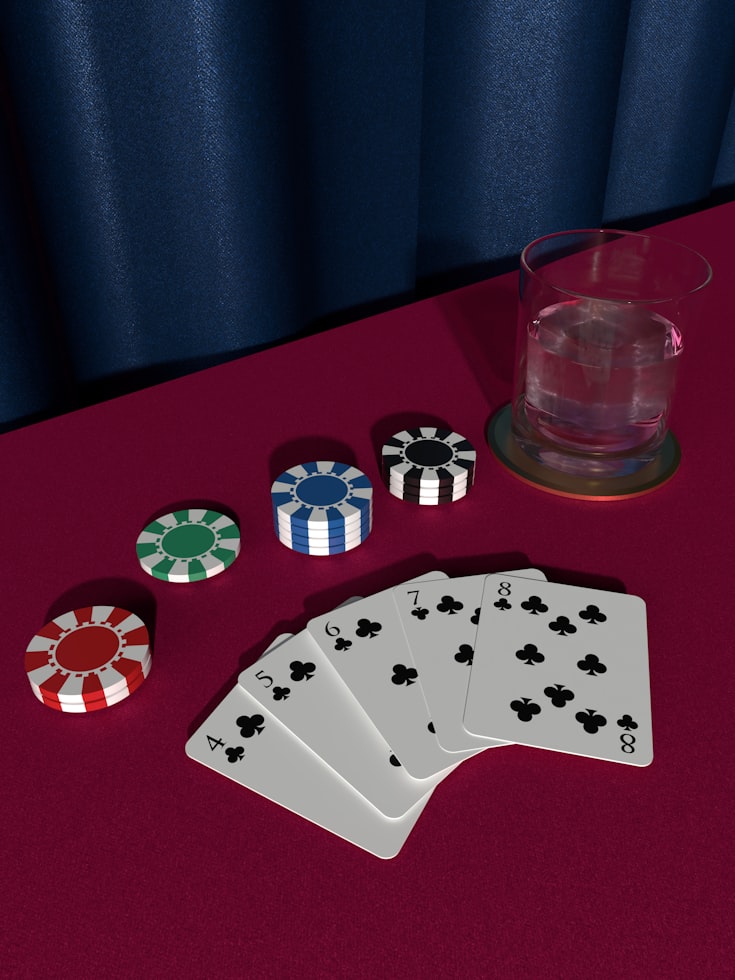
Furthermore, the emotional component of skill-based games is notable. Players often experience a sense of empowerment when they know they can influence outcomes through their decisions. This psychological aspect can lead to a more engaging and fulfilling gaming session, as players are often more invested in outcomes they feel they can control. The interplay between skill and luck creates a nuanced experience, where proficient players may still require a stroke of luck to ultimately secure victory. The combination of skill and luck adds depth to these games, making them more than just a test of chance.
The Balance Between Luck and Skill
The coexistence of luck and skill in casino gaming creates a complex environment where both elements impact the player’s experience. In many games, such as video poker, the balance is evident: while luck determines the initial hand dealt, skill influences the decisions made afterward. This interplay highlights that skillful players often have better outcomes, although they cannot escape the inevitability of luck’s role. Understanding this balance enables players to develop a multifaceted approach, combining strategy with the acceptance of random chance. It is this combination that can lead to both thrilling moments and more consistent results.
The dynamics of luck and skill can also be observed in tournament play, where players with varying skill levels compete against each other. In these scenarios, luck can level the playing field, allowing less experienced players to succeed temporarily. However, over successive rounds, it is the players who strategize effectively and adapt to situations that typically triumph. This notion provides an essential lesson for casual players: while luck may yield short-term gains, it is often the skillful approach that ensures lasting success. Such insights encourage players to invest in their development, striving for improvement while accepting the role of chance.
Ultimately, the relationship between luck and skill is emblematic of broader life lessons. It challenges players to embrace uncertainty while encouraging them to develop their skills. Understanding that outcomes are often a mixture of both elements can lead to more enjoyable and responsible gaming experiences. As such, players should appreciate the thrill of luck while investing time in mastering the skills that can enhance their chances of winning. This balanced perspective can transform the way individuals experience gambling, making it a more enriching endeavor.
Strategies to Maximize Winning Potential
To navigate the intricate landscape of casino gaming effectively, players can benefit from various strategies that capitalize on skill while acknowledging the role of luck. Engaging in games that require skill, such as poker or blackjack, often provides players with more opportunities to utilize their knowledge and strategies. Familiarizing oneself with game rules and practicing frequently can help players understand the optimal plays in various scenarios, ultimately resulting in improved decision-making during actual gameplay. This preparation can make a significant difference in outcomes and enhance overall enjoyment.

Moreover, bankroll management is essential in maximizing winning potential and mitigating losses. Players should establish a budget for each gaming session and adhere strictly to it. This strategy ensures that players can enjoy their gaming experience without falling prey to the highs and lows of luck. Understanding when to walk away—be it after a win or a loss—is vital for maintaining a healthy perspective on gaming and ensuring that it remains an enjoyable pastime. Setting limits fosters responsible gambling and makes it easier to manage emotions during play.
Another important strategy is to stay informed about the different games available and their respective odds. Knowledge of which games have the lowest house edges enables players to make informed choices that can enhance their potential for winning. Additionally, players should consider participating in promotions and understanding the terms and conditions of any bonuses offered. These strategies, when combined with a solid understanding of luck and skill, can create a more rewarding casino gaming experience. By being strategic, players can navigate the complexities of gaming with greater confidence.
Conclusion: Embracing the Thrill of Casino Gaming
In conclusion, the question of whether luck or skill is more important in casino gaming doesn’t yield a definitive answer. It varies depending on the game being played and the individual player’s approach. While luck undeniably plays a critical role, particularly in games of chance, skilled players can leverage their expertise to enhance their odds and improve their overall experience. The thrill of gaming often comes from the unpredictable interplay between these two elements, making every session unique and exciting.
Players who understand this dynamic can appreciate the joys of winning while remaining aware of the risks of losing. This awareness is essential for responsible gaming, allowing individuals to enjoy their time at casinos while minimizing the potential for negative outcomes. Ultimately, successful casino gaming can be seen as a blend of luck, skill, and strategic choices, providing a rich and engaging experience for players of all backgrounds. This understanding fosters a deeper appreciation for the nuances of gaming.
As players engage with games that vary in the balance of luck and skill, they are encouraged to explore various strategies that align with their personal gaming style. Balancing enjoyment with responsibility is crucial in navigating the captivating world of casino gaming. Remember that regardless of the outcome, the primary goal should be to have fun while embracing the excitement that comes with every spin, roll, or hand played. This mindset not only enriches the gaming experience but also cultivates a more profound connection to the thrill of the game.